
Finley Schulz · 5 September 2026
Shifting Paradigms in Traffic Analysis: Beyond Traditional Methods with Innovative Platforms
Traffic analysis has evolved considerably as organizations move past basic server log reviews and simple page view counts toward integrated systems that process real-time user interactions across multiple channels, and researchers have documented steady adoption rates of these newer tools in enterprise settings since the early 2020s.
Traditional Approaches and Their Scope
Early traffic analysis relied on counting hits from web server records along with basic metrics such as bounce rates and session durations, while analysts compiled reports manually from spreadsheets that aggregated data from single sources like on-premise log files, and these methods delivered straightforward counts yet struggled with fragmented data streams from mobile apps and third-party referrers.
Studies from academic institutions have shown that legacy systems often required extensive manual cleaning to handle incomplete entries or duplicate events, which limited scalability when traffic volumes grew beyond certain thresholds, and government statistical agencies in various regions have tracked corresponding rises in digital measurement complexity over the same period.
Limitations Encountered in Legacy Systems
Conventional platforms frequently encountered gaps when processing cross-device journeys because cookie-based tracking proved unreliable after browser policy changes, and data from sources like Statistics Canada reports on digital connectivity highlights how regional variations in user behavior further complicated aggregation efforts.
Those who maintained older setups often found delays in report generation that stretched into days rather than hours, whereas real-time decision needs in marketing and operations demanded faster turnaround, and this mismatch prompted many teams to explore supplemental tools that could fill the voids without replacing entire infrastructures overnight.
Emergence of Innovative Platforms
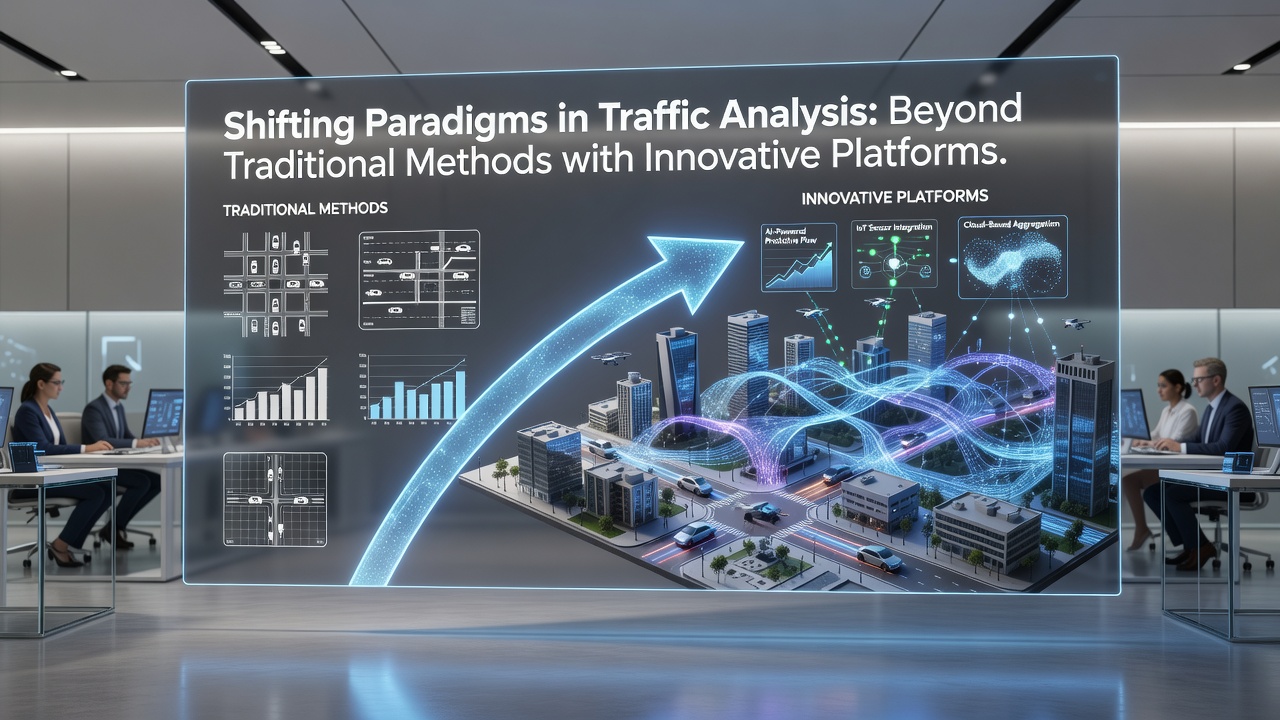
Newer platforms incorporate machine learning models that predict traffic patterns based on historical sequences and external signals such as seasonal events or campaign launches, while they also support privacy-compliant data collection through aggregated signals instead of individual identifiers, and evidence from industry reports indicates accelerated implementation of these features in both commercial and public sector environments.
Integration capabilities allow seamless connections to customer relationship management databases and content management systems so that traffic insights feed directly into personalization engines, and observers note that this interconnected approach reduces the silos that previously separated analytics teams from product development groups.
Data Patterns and Adoption Trends
Figures released through OECD digital economy outlooks reveal rising investments in advanced analytics infrastructure across member countries, with particular emphasis on platforms that handle event-based tracking rather than page-load metrics alone, and these shifts align with broader regulatory updates around data minimization that took effect in multiple jurisdictions during 2024 and 2025.
One study released by a European research consortium examined how organizations using hybrid setups combining legacy logs with AI-enhanced overlays achieved more granular attribution for referral sources, and the findings underscored measurable improvements in identifying high-value traffic segments without increasing data storage demands proportionally.
Practical Implementations Across Sectors
Retail operators have applied these platforms to correlate website visits with in-store foot traffic through anonymized location signals, whereas media companies leverage them to optimize content distribution schedules based on predicted engagement spikes, and educational institutions have tested similar systems to monitor resource access patterns during enrollment periods.
September 2026 is set to feature the release of updated international guidelines on digital measurement standards from collaborative working groups that include representatives from North American and Asia-Pacific agencies, and those guidelines are expected to reference case examples of platform migrations already completed by mid-sized enterprises.
Technical Components Driving Change
Core advancements include edge computing nodes that process events closer to the point of collection, thereby lowering latency for dashboards that display live visitor flows, and these nodes work alongside centralized repositories that apply consistent taxonomy rules across all incoming streams, and the combination supports queries that span months of data within seconds rather than minutes.
API-first architectures further enable developers to embed custom alerts triggered by threshold breaches in traffic quality metrics, while built-in visualization layers replace the need for separate business intelligence tools in many routine reporting tasks.
Conclusion
Organizations continue to transition toward platforms that unify disparate data sources under unified interfaces while respecting evolving privacy constraints, and the documented trajectory points to sustained refinement of predictive capabilities alongside regulatory alignment efforts scheduled for 2026 and beyond.